
The Ramayana Trail in Sri Lanka: A Guide to the Sacred Sites
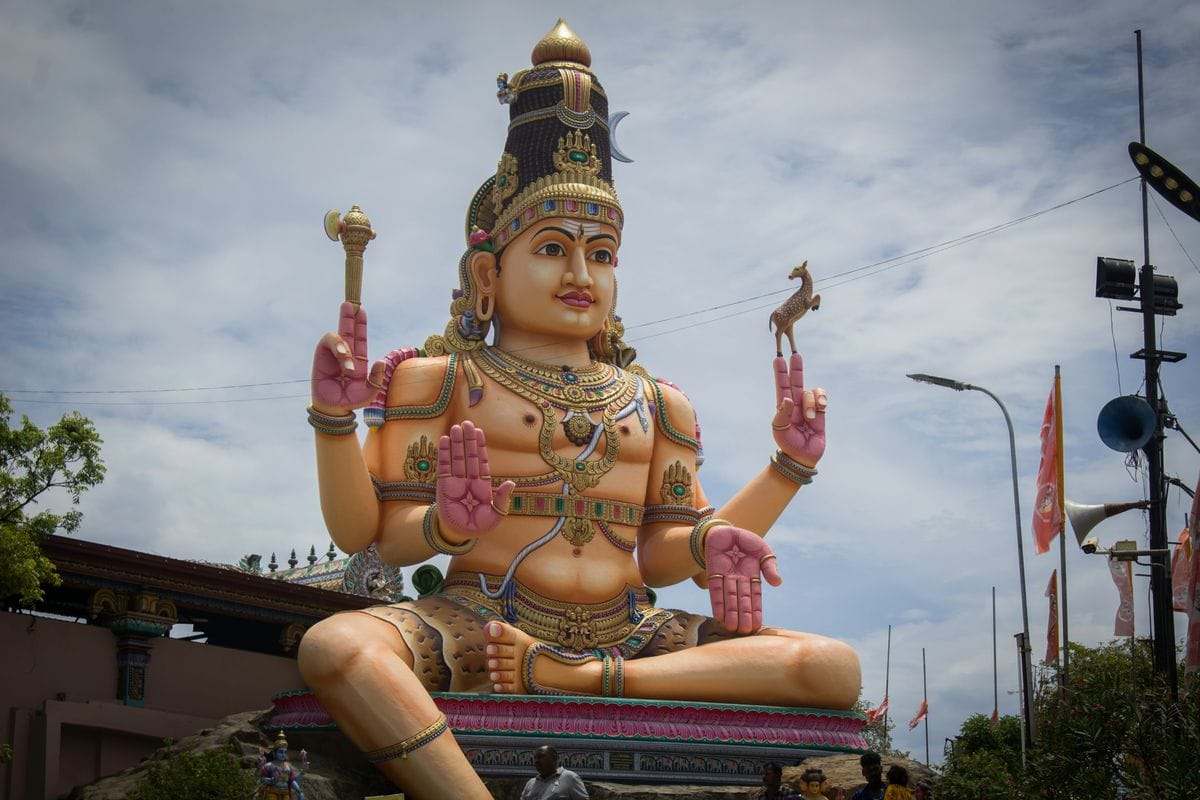
The Ramayan tour stands as one of the most important epics in Hindu mythology. Sage Valmiki wrote this ancient tale, which follows Lord Rama as he faces trials and battles to rescue his wife, Sita, from the demon king Ravana. Although most of the story unfolds in India , several key events take place in Sri Lanka . Therefore, travelers today explore many of these places believed to connect with the Ramayana.
The Ramayan Tour in Sri Lanka offers a sacred and cultural journey. Visitors explore beautiful landscapes , ancient temples , mysterious caves , peaceful gardens , and scenic waterfalls —all tied to this legendary story. Whether you seek devotion , culture , or curiosity , this tour blends mythology, history, and nature in a unique way.
Understanding the Ramayana's Link to Sri Lanka
The Story in Brief
The Ramayana tells the story of Prince Rama of Ayodhya. When Ravana kidnaps his wife, Sita, and takes her to Lanka (modern-day Sri Lanka), Rama sets out to rescue her. With help from his brother Lakshmana and the monkey god Hanuman , he builds a bridge across the ocean . Afterward, after a fierce battle , Rama defeats Ravana and returns home with Sita.
Why Sri Lanka Matters
Many believe Sri Lanka holds several places connected to the epic. Over time, these sites became pilgrimage destinations . Local traditions, historical temples, and even geographical landmarks support the idea that Ramayana events occurred here. As a result, the country attracts devotees and tourists alike.
Main Ramayana Sites in Sri Lanka
1. Munneswaram Temple (Chilaw)
This ancient temple in Chilaw honors Lord Shiva . After defeating Ravana, Rama visited this temple to pray and seek relief from the sin of killing Ravana, who was a Brahmin. Today, pilgrims flock to the temple for blessings . In addition, the temple remains an active spiritual center.
2. Manavari Temple (Chilaw)
Located near Munneswaram, Manavari Temple marks the first site where Rama installed a Shiva Lingam—known as Ramalinga Shivan. This lingam is one of only two named after Rama, the other being in Rameswaram, India . Similarly, this site holds great religious significance.
3. Sita Amman Temple (Nuwara Eliya)
Situated in the cool hills of Nuwara Eliya, this temple stands where Sita reportedly lived during her captivity. A stream near the temple is believed to be where she bathed , and footprints nearby are said to belong to Hanuman . Moreover, the peaceful surroundings enhance the spiritual experience.
4. Ashoka Vatika (Hakgala Botanical Garden)
Next to Sita Amman Temple, the lush Hakgala Garden represents Ashoka Vatika. According to the epic, Ravana kept Sita here to convince her to marry him. The garden still thrives with rare flowers and Ashoka trees meant to soothe her mind. Consequently, visitors find both natural beauty and spiritual meaning here.
5. Ravana Cave and Ravana Falls (Ella)
In Ella, Ravana Falls and the nearby cave play key roles in the Ramayana Trail. Legends say Ravana hid Sita inside the cave behind the waterfall. Visitors often hike to the cave, enjoying both myth and nature . Furthermore, the site adds a sense of adventure to the pilgrimage.
6. Divurumpola Temple
This temple near Ella marks the place where Sita proved her purity in a fire trial—Agni Pariksha . The name “Divurumpola” means “place of oath.” Locals continue to honor this sacred story with devotion . Thus, the temple remains important to many visitors.
7. Ussangoda National Park
Ussangoda’s red soil and coastal terrain make it visually striking . According to folklore, Ravana landed his flying chariot, Pushpaka Vimana , here. Scientists also study its unusual geology, blending myth with science. As a result, the park attracts both pilgrims and nature enthusiasts.
8. Rumassala Hill (Galle)
Rumassala, near Galle, connects with the story of Hanuman carrying the Sanjeevani mountain . Part of that mountain is believed to have fallen here, which explains the presence of rare herbs in the area. Therefore, the hill carries both mythological and botanical importance.
9. Kataragama Temple
Located in southern Sri Lanka, this temple mainly honors Lord Skanda (Murugan) . However, many believe Lord Rama crowned Ravana’s brother, Vibhishana, here after Ravana’s defeat. Hence, the temple holds special significance for Ramayana followers.
10. Panchamuga Anjaneyar Temple (Colombo)
This temple in Colombo is the only one in the world dedicated to Hanuman’s five-faced (Panchamukhi) form. Devotees visit to honor Hanuman’s strength, wisdom, and loyalty. In fact, it stands as a unique spiritual landmark.
11. Kelaniya Temple (Near Colombo)
This temple near Colombo is believed to be the place where Rama crowned Vibhishana as the king of Lanka. Although it's now a Buddhist temple, it still holds importance in Ramayana tradition. Therefore, it attracts visitors from various faiths.
Suggested Itineraries for the Ramayan Tour
5-Day Itinerary: Quick Pilgrimage ⏳
Day 1: Arrive in Colombo → Visit Panchamuga Anjaneyar and Kelaniya Temples
Day 2: Head to Chilaw → Explore Munneswaram and Manavari Temples
Day 3: Travel to Nuwara Eliya → Visit Sita Amman Temple and Ashoka Vatika
Day 4: Drive to Ella → Visit Ravana Falls, Ravana Cave, and Divurumpola
Day 5: Visit Rumassala Hill or return to Colombo
7-Day Itinerary: Spiritual and Scenic
This version adds visits to Ussangoda and Kataragama. Travelers also enjoy the serene hill country and have time to reflect in peaceful settings. Additionally, it allows a more relaxed pace.
10-Day Itinerary: Complete Tour
This itinerary includes all major Ramayana sites along with visits to Sigiriya , Dambulla Cave Temple , Kandy, and southern beaches —perfect for combining spiritual travel with leisure. Moreover, it covers a wide variety of experiences.
Planning Your Trip: Travel Tips and Advice
Best Time to Visit
Ideal Season: December to April offers the best weather across most regions.
Avoid the monsoon season (May–November) as it may affect travel, especially in hill areas. Therefore, plan accordingly.
How to Travel
Private tours offer the most comfort and convenience.
Public transport is budget-friendly but may be less efficient for pilgrims with time constraints. Hence, private tours are often recommended.
Where to Stay
Choose accommodations near major temples and towns like Colombo, Nuwara Eliya, and Ella.
Options range from simple guesthouses to luxurious resorts. As a result, you can find lodging to suit every budget.
Food and Cuisine
Try local dishes like rice & curry , string hoppers, and kottu roti.
Vegetarian meals are easy to find, especially near temples.
If you're not used to spicy food , ask for milder versions. Thus, everyone can enjoy Sri Lankan cuisine.
Cultural and Temple Etiquette
Dress modestly—cover shoulders and knees.
Remove shoes and hats before entering temples.
Maintain silence and ask before taking photos . In addition, respect local customs.
Hiring a Guide
Local guides can enrich your experience. They share stories, help with cultural etiquette, and speak multiple languages like English, Tamil, or Hindi. Therefore, hiring a guide often improves your journey.
Spiritual Significance of the Ramayan Tour
A Journey of Faith
This tour offers more than just sightseeing. As you move from one sacred site to another, you feel closer to the characters of the Ramayana—Rama, Sita, Hanuman, and Vibhishana. Each place inspires values like loyalty, devotion, and courage. Indeed, this journey nurtures the spirit.
Unity of Faiths
Although the Ramayana comes from Hindu tradition, many Buddhist and even Christian pilgrims visit these sites. These shared stories bring different communities together in mutual respect. Consequently, the tour symbolizes harmony.
Cultural Insights Along the Trail
Blending Myth and History
Sri Lanka’s Ramayana sites combine storytelling with real history. Ancient temples, local legends, and natural landmarks match the descriptions found in the epic. Furthermore, this blend fascinates travelers.
Local Beliefs and Traditions
In every region, locals share unique versions of the Ramayana. They celebrate festivals, tell tales, and preserve sacred spaces with great care. As a result, visitors enjoy diverse cultural experiences.
Conclusion: Why You Should Take the Ramayan Tour
The Ramayan Tour in Sri Lanka offers a rare chance to walk in the footsteps of divine heroes. As you explore ancient temples, mystical caves, and peaceful gardens, you connect with a story that continues to inspire millions.
Whether you travel as a pilgrim, a cultural explorer, or a curious visitor, this journey stays in your heart long after it ends. It teaches you about faith, love, courage, and the timeless bond between people and sacred stories.
Ramayan Tours with Volata Travels – Contact Information
If you are interested in booking a Ramayan Tour in Sri Lanka or want more details, Volata Travels is here to help you plan your spiritual journey with comfort and ease.
Contact Details:
Company Name: Volata Travels
Phone: +94 77 123 4567
Email: info@volatatravels.com
Website: www.volatatravels.com
Why Choose Volata Travels?
Customized Ramayan Tour packages
Experienced local guides knowledgeable in Ramayana history and culture
Comfortable transport and accommodation arrangements
Flexible itineraries to suit your interests and schedule
Support in multiple languages including English, Hindi, and Tamil
Key word ramayan tour
Meta Joinus unique Ramayan Tour filled with thrilling stories, vibrant sites, and unforgettable experiences. Book your journey to history today
Back to all guides